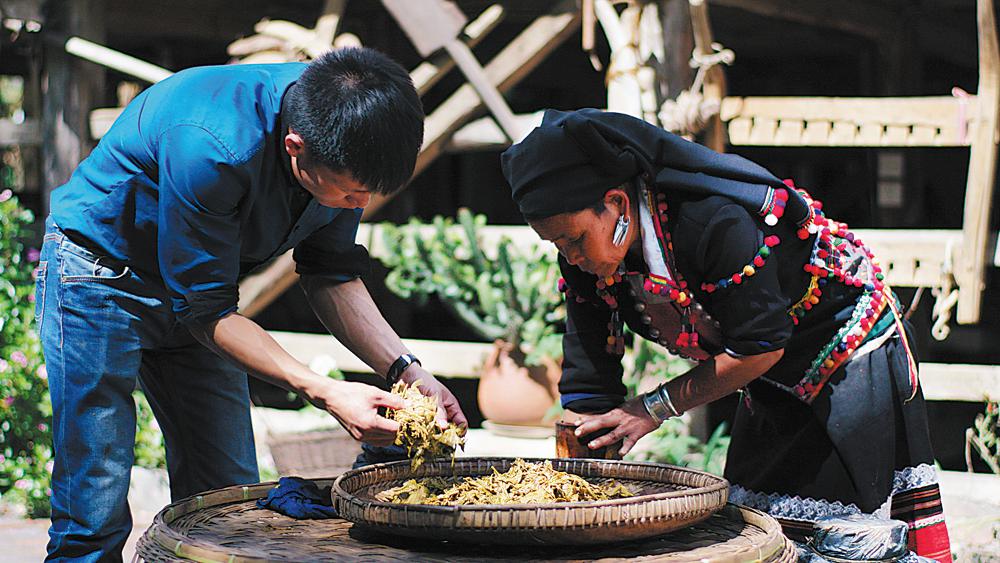
De'ang Ethnic Group
Introduction
The De'ang ethnic group, also known as the Palaung, primarily reside in Yunnan province of China. They are one of the 56 officially recognized ethnic groups in China and have a unique cultural heritage that is deeply intertwined with the natural environment and the historical landscapes of the region. The De'ang people are known for their rich cultural traditions, distinctive language, and close-knit community life. Their cultural practices, particularly in relation to tea, are integral to their identity and have been preserved through generations.
History
The history of the De'ang ethnic group is intricately linked with the broader historical and cultural developments in the Yunnan region. Historically, the De'ang have been a sedentary agricultural community, with their livelihood primarily based on farming and tea cultivation. The group's origins are believed to be intertwined with the ancient civilizations that thrived in the southwest of China, and their history is characterized by a blend of indigenous practices and influences from neighboring cultures. Over the centuries, the De'ang have maintained their traditional ways of life, despite periods of external influence and cultural assimilation.
Language
The De'ang language is divided into several dialects, reflecting the geographic distribution of the De'ang people. Efforts to preserve and revitalize the De'ang language are ongoing, as language is a key element in maintaining the cultural continuity of the ethnic group.
Culture
Traditional Clothing
The traditional clothing of the De'ang ethnic group is characterized by vibrant colors and intricate designs, reflecting their cultural heritage and artistic expression. The garments are typically handwoven and adorned with unique patterns that symbolize various aspects of De'ang life and beliefs. Clothing plays an important role in festivals and rituals, where traditional attire is worn to honor ancestral customs and highlight ethnic identity.
Music and Dance
Music and dance are central to the cultural life of the De'ang people, serving as a means of storytelling and community bonding. Traditional De'ang music is often performed using indigenous instruments, such as gongs and bamboo flutes, and is an integral part of ceremonies and celebrations. Dance is equally significant, with performances often reenacting historical events, myths, and legends. These artistic expressions are not only a form of entertainment but also a way to preserve and transmit cultural knowledge.
Festivals
Festivals are a vital aspect of De'ang culture, providing opportunities for communal gathering and cultural expression. The De'ang celebrate several traditional festivals throughout the year, each with its own rituals and customs. These festivals often involve offerings to ancestors, musical performances, and communal feasting, reinforcing social cohesion and cultural continuity. The festivals also serve as a platform for showcasing traditional arts and crafts, highlighting the creativity and heritage of the De'ang people.
Handicraft
Handicraft is a significant aspect of De'ang culture, with traditional skills passed down through generations. The De'ang are known for their expertise in weaving, embroidery, and pottery, creating items that are both functional and artistic. These crafts are often used in daily life, ceremonial contexts, and as a means of economic sustenance. The intricate designs and patterns found in De'ang handicrafts reflect their cultural values and identity, serving as a testament to the community's creativity and resilience.
Economy
The economy of the De'ang ethnic group is largely based on agriculture, with tea cultivation playing a central role. The De'ang have a long-standing tradition of tea farming, and their techniques in producing suancha, a fermented sour tea, are well-respected and continue to be practiced as an offering to their ancestors. Alongside tea, the De'ang engage in the cultivation of various crops and livestock farming, contributing to their subsistence and economic well-being. Traditional handicrafts also provide a supplementary income, with items sold in local markets and to tourists interested in ethnic crafts.
Modern Developments
In recent years, the De'ang ethnic group has experienced various modern developments that have influenced their traditional way of life. Efforts to improve infrastructure, education, and healthcare have been implemented, aiming to enhance the quality of life for the De'ang while respecting their cultural heritage. Additionally, initiatives to promote tourism have highlighted De'ang culture, bringing economic opportunities and increased visibility to the community. However, these developments also pose challenges, as the De'ang navigate the balance between preserving their cultural identity and adapting to modern societal changes. Photo Gallery(2 pictures)CategoriesRegional CultureTagEthnic CultureEthnic Groups in ChinaCatalogue1. Introduction2. History3. Language4. Culture5. Economy6. Modern Developments- - - []








